
Naomi Ayotte
is the Commissioner and Vice-president of the Oversight division, Commission d’accès à l’information du Québec

Colin Bennett
is Emeritus Professor of Political Science and Fellow at the Center for Global Studies at the University of Victoria, British Columbia. For over thirty years, his research has focused on the comparative analysis of privacy protection policy at domestic and international levels. In addition to numerous scholarly and newspaper articles, he has published seven books on these subjects, including The Governance of Privacy (MIT Press, 2006), as well several policy reports for national and international agencies. His current work focusses on the importance of privacy for democratic rights, and on the capture and use of voters’ personal data by political parties in Western democracies.

Keldon Bester
is the executive director of the Canadian Anti-Monopoly Project (CAMP), a think tank dedicated to the issue of monopoly in the Canadian economy, and a fellow at the Centre for International Governance Innovation (CIGI). Keldon has worked as a special advisor at Canada’s Competition Bureau and written extensively on topics including competition policy, communications regulation, and financial services.
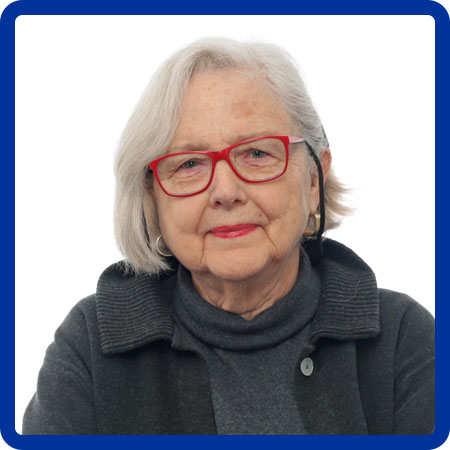
Pamela Forward
is the president of the Whistleblowing Canada Research Society. She has had a varied career in business, health care and government (federal public service, advisor to federal cabinet Ministers, and candidate for public office). She also practiced as a Family and Workplace Mediator. She has been active in professional, community and political organizations throughout her career. Her interest in whistleblowing advocacy began in the 1990’s while working in the Federal Public Service. She recently completed an in-depth, qualitative case study on whistleblowing regarding drug safety issues at Health Canada. It highlighted many system flaws and shed light on why reprisals occur. This blend of knowledge and experience has stimulated an abiding interest in supporting conflict-friendly, ethical and accountable organizations. It also inspired the founding of Whistleblowing Canada Research Society.
Education: BA Political Science, MA Legal Studies, Graduate Certificate Conflict Resolution, formerly a Registered Nurse – speciality Mental Health.
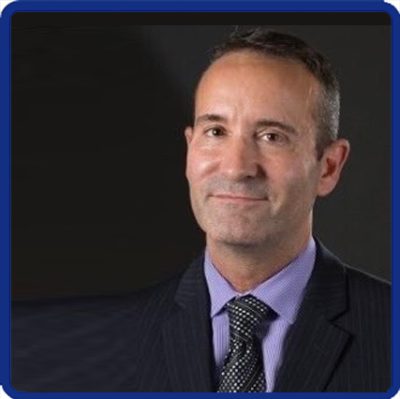
Marc-Roger Gagné
works at the intersection of access-to-information and privacy. His practice has focused on complex ATIP files across federal institutions, with regular interaction with regulators and oversight bodies. A jurist by training, and by temperament, he’s just old enough to remember carbon paper and fax cover sheets.
Marc-Roger’s academic work ranges across privacy and data protection, constitutional and surveillance law, artificial intelligence, information security, fintech, compliance, and human rights.
A Master Access and Privacy Professional and long-standing member of the Board of Directors of the Privacy and Access Council of Canada, he also serves as Data Protection Officer for Interfima and has been a monthly contributor to Irish Tech News for the past fourteen years, writing on privacy, governance, and emerging technology.

Dawn Gallagher Murphy
Dawn Gallagher Murphy is the re-elected MPP for Newmarket—Aurora, serving as Parliamentary Assistant to both the Minister of Long-Term Care and the Minister of Natural Resources. She is also President of the Ontario section of the Assemblée Parlementaire de la Francophonie (APF) and a member of the Standing Committee on Procedure and House Affairs and the Standing Committee on the Interior.
Appointed PA to Long-Term Care in April 2025, she plays an active role in shaping the future of the sector, with a focus on innovative solutions and the integration of emerging technologies. She previously served as PA to the Minister of Health, leading province-wide consultations on primary care expansion.
As a Private Member she introduced a Bill proclaiming June as Seniors Month received Royal Assent in December 2024. She also introduced two unanimously supported motions—one promoting the ethical and transparent use of AI in government, and another modernizing the approval process for wastewater treatment solutions for small and rural communities, including those in the York Region.
Before entering politics, Dawn spent more than 25 years in the secure payments industry, including 15 years as the head of her own consulting firm. She held leadership roles developing bilingual solutions for digital card payment technologies, working with major Canadian banks and clients across North America. Her expertise helped usher in innovations in mobile payments, chip cards, and contactless transactions, building trust and security in the digital economy.

Shirley Genga
is a Postdoctoral Fellow at the Free State Centre for Human Rights in South Africa

Susie Hendrie
is driven by finding innovative ways to ensure organizations meet their regulatory and compliance requirements, while maximizing the value of data. She supports clients across all sectors as they navigate the intersection between privacy, technology, regulation and public policy. Susie is passionate about kids’ online privacy. She has degrees from Queen’s University and the London School of Economics and holds the IAPP’s Certified Privacy Professional- Canada (CIPP/C) and the Certified Information Privacy Manager (CIPM) designations.

Antoine Guilmain
is a partner and co-leader of Gowling WLG’s National Cybersecurity & Data Protection Practice Group. Antoine is also an Associate Professor at the Faculty of Law of the Université de Sherbrooke. He holds a doctorate in IT Law from Université Paris 1 Panthéon Sorbonne and Université de Montréal. He has published numerous monographs and articles, lectures frequently and teaches at several universities.
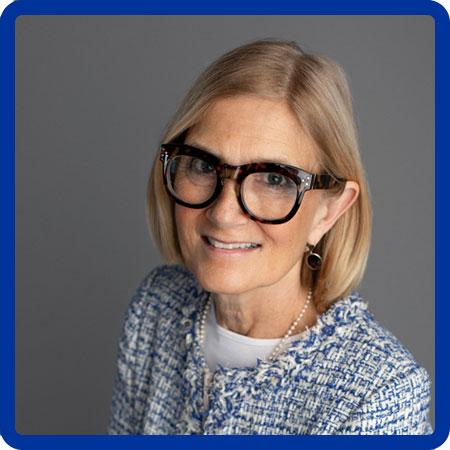
Grace Hession David
is the Information and Privacy Commissioner of Saskatchewan.
Ms. Hession David graduated from the College of Law at the University of Saskatchewan in 1985. She completed a Master’s degree at Western University and then articled with the law firm of Osler, Hoskin and Harcourt LLP in Toronto in 1989. She clerked for Justice Moldaver at the Ontario Superior Court before joining the Ontario Securities Commission as their first tribunal Adjudicative Counsel. She then served as legal counsel supervising corporate governance for Ontario Teachers’ Pension Plan in the Equity Division. In 2011 she joined the Ontario Attorney General in Toronto and prosecuted fraud and other criminal organization matters involving Part VI Criminal Code applications and wiretaps. She has been active with the Canadian Bar Association criminal justice section in Ontario and Saskatchewan and was employed with the Ministry of Justice and the Attorney General in Regina, in their appellate office prior to assuming the position of Commissioner. She is the co-author of Prosecuting and Defending Fraud Cases published by Emond Publications, third edition.
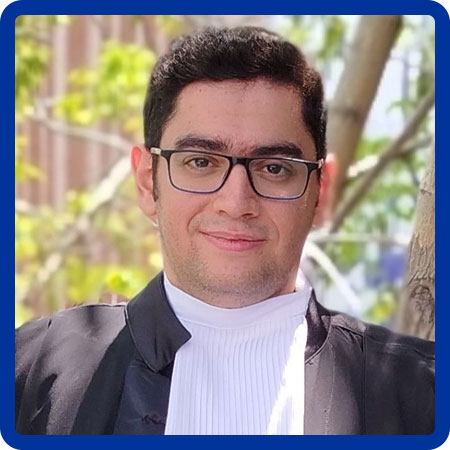
Milad Khani
is a foreign-trained lawyer and legal professional with experience in legal compliance, regulatory analysis, and policy development. He is skilled in interpreting and applying privacy legislation and has advised a wide range of clients, including those in healthcare product manufacturing, oil and gas, hospitality, food and beverage, IT, and trading. His work includes conducting legal research, advising on risk, and drafting governance documentation. He is experienced in communicating complex concepts to diverse stakeholders and managing confidential information with discretion.
Milad holds an LL.M. in Law and Technology from the University of Ottawa, with research focused on Canadian privacy law, cybersecurity, and data governance. He is the recipient of the 2025 Deirdre G. Martin Memorial Privacy Law Award and is a current member of the PACC.
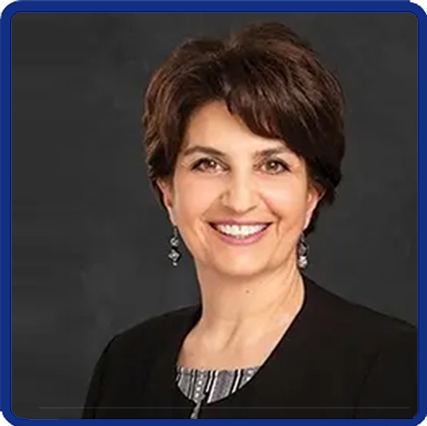
Patricia Kosseim
is the Information and Privacy Commissioner of Ontario. Prior to joining the IPC, Patricia was counsel in Osler’s Privacy and Data Management Group where she provided strategic advice to clients on matters of privacy, data governance, and access law.
For more than a decade, Patricia served as senior general counsel and director general at the Office of the Privacy Commissioner of Canada in Ottawa. During that period, she was responsible for advancing a number of major cases before the federal courts and the Supreme Court of Canada; advising on critical privacy investigations; appearing before parliamentary committees on significant legislative bills; developing national and international policies; leading a national research funding program; and, overseeing a technology analysis team and laboratory.
While holding executive positions at Genome Canada and the Canadian Institutes of Health Research, Patricia developed and led national strategies for addressing legal, ethical, and social aspects of health research and genomics technologies. She began her career in Montreal practicing in the areas of health law, civil litigation, human rights, privacy, and labour and employment with a leading national law firm.
Patricia obtained her business and law degrees from McGill University in Montreal, and a Master’s Degree in Medical Law and Ethics from King’s College, University of London. She is a member of the Law Society of Ontario, as well as the Barreau du Quebec, and is fluently bilingual in both official languages.

Marc Alexandre Ladouceur
is a Media Education Specialist, and responsible for creating resources for educators, parents and community groups and for conducting outreach activities with French language schools, school boards, education ministries, faculties of education and community organizations across Canada. He holds a Master’s Degree in Theology, as well as Bachelors’ in Education and Theology. Marc Alexandre has previously worked as a teacher in the Ontario and Alberta school systems, as a facilitator in Ontario schools and as an editor and translator.

Lisa LeVasseur
is the founder of Internet Safety Labs, a nonprofit digital product safety testing organization. Her technical industry contributions and deep knowledge of consumer software products and connected technologies span more than three decades.
Driving change through product transparency is the heart of Lisa’s vision for safer digital products, weaving together her experience in industry standards, product development, and her commitment to reducing suffering in the world.
Lisa has dedicated the last seven years at Internet Safety Labs realizing her vision through the development of Safety Labels for websites and mobile apps—bringing people and technology together to provide empirical evidence of digital product safety risks at scale.

Kasie Lewis-Graham
is a Master’s student at TMU’s Ted Rogers School of Management, researching privacy law, consent, and consumer protection.
Kasie’s work examines whether a consent -based approach to data protection effectively protects individuals online, or whether privacy law should borrow principles from consumer protection frameworks.
Her research focuses on regulatory design and responsibility in the data economy and, importantly, whether the current approach places too much responsibility on individual users to manage privacy risks on their own, in the name of ‘control’. Kasie investigates how minimum safety standards and proactive regulatory oversight can be implemented online so that users have similar protections as they do in stores.
Built on information systems research focused on technical design and legal scholarship on normative theory, her research empirically evaluates practical steps toward privacy reform.
In addition to her graduate research, Kasie’s professional experience includes roles in risk analysis, project coordination, and legal research in healthcare technology, manufacturing, and investment management.
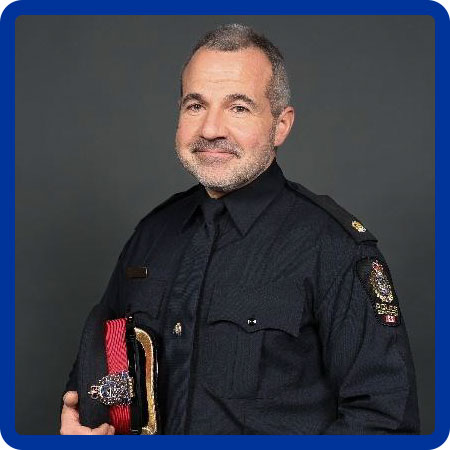
Kurt Martin
brings over 26 years of policing experience across frontline operations, major investigations, and executive leadership. As Acting Superintendent of the Information & Analytics Division, he provides strategic leadership in information management and technology operations across the justice sector. He oversees the division’s three branches—Information Governance, Police Information Access, and Intelligence & Analytics—ensuring coordinated delivery of technical initiatives.
Throughout his career, Kurt has led transformational projects that redefined investigative workflows and digital evidence management. His leadership was pivotal in:
- Records Management System (RMS) and Digital Evidence Management System deployments, including body-worn video integration, from proof of concept through full service-wide rollout
- NicheUA transition—one of EPS’s largest organizational changes—overseeing team building, training for 2,500+ members, and strategic decision-making under tight timelines.
- Advanced digital-note initiatives to reduce administrative burden and enhance investigative quality.
Kurt’s expertise spans policy development, training design, and inter-agency collaboration. He co-developed detective training programs and has presented nationally on investigative innovation, drawing on experience in Forensics and Homicide. Known for systems thinking and strong problem-solving, he transforms complex challenges into scalable, user-focused solutions that enhance public trust and operational efficiency.
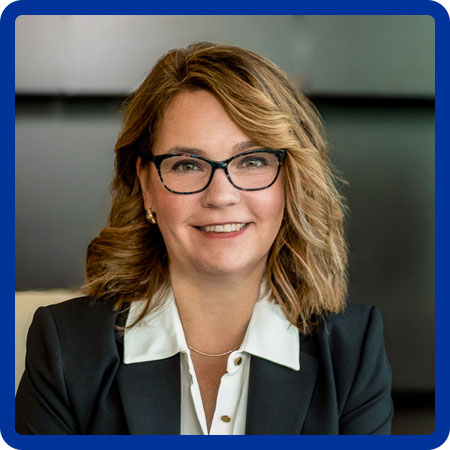
Caroline Maynard
is the Information Commissioner of Canada.
Since her appointment in 2018, Caroline Maynard has advocated for an efficient and responsive access to information system while investigating thousands of complaints and pursuing litigation to enforce the law and uphold the right of access.
Prior to her appointment, Commissioner Maynard worked as a lawyer and senior executive. She was the Interim Chairperson and Chief Executive Officer of the Military Grievances External Review Committee, where she also served as Director General of Operations and General Counsel for 11 years. Earlier in her career, she was Legal Counsel in the Office of the Judge Advocate General at National Defence and with the Royal Canadian Mounted Police External Review Committee. She also worked with the Canada Revenue Agency and in private practice.
She holds a Bachelor of Laws from the Université de Sherbrooke and has been a member of the Quebec Bar since 1994. A native of Saint-Hyacinthe, Quebec, she lives in the National Capital Region with her family.

Diane McLeod
was appointed Information and Privacy Commissioner of Alberta on August 1, 2022. She is Alberta’s fourth Information and Privacy Commissioner.
For more than 25 years, Diane has been committed to helping governments, health care providers and businesses protect the access to information and privacy rights of citizens, patients and customers. Most recently, she served as Yukon’s Information and Privacy Commissioner, along with the roles of Ombudsman and Public Interest Disclosure Commissioner. In these roles, she helped to grow the offices, supported a culture of compliance across government and healthcare, and upheld individuals’ rights.
Prior to her experience in the Yukon, Diane worked at the OIPC including as the Director of PIPA. She also worked in private practice in British Columbia supporting clients in complying with access and privacy laws, and for the former Calgary Health Region where she was responsible for the administration of FOIP and HIA. Diane has also been a member of a clinical medical research ethics board evaluating privacy risks in research proposals.
Diane obtained her law degree from the University of Victoria in 2009 and has been called to the bars of British Columbia, Alberta and Yukon.
As Information and Privacy Commissioner, one of Diane’s priorities is to ensure access and privacy rights are prioritized in Alberta’s efforts to diversify the economy through data-driven innovations. This includes advocating for modernized access to information and privacy laws that enable digitization across Alberta’s public, health and private sectors while safeguarding the rights of Albertans.

Toby Mendel
is the founder and Executive Director of the Centre for Law and Democracy, a Canadian-based international human rights NGO which provides legal and capacity building expertise regarding foundational rights for democracy, including the right to information, freedom of expression, the right to participate and the rights to freedom of assembly and association. Prior to that, he was for over 12 years Senior Director for Law at ARTICLE 19, an international human rights NGO focusing on freedom of expression and the right to information.
He has collaborated extensively with inter-governmental actors working in these areas – including the World Bank, UNESCO, the UN and other international rapporteurs on freedom of expression, the OSCE and the Council of Europe – as well as numerous governments and NGOs in countries all over the world.
Before joining ARTICLE 19, he worked as a senior human rights consultant with Oxfam Canada and as a human rights policy analyst at the Canadian International Development Agency (CIDA). He is the author of a large number of articles, monographs and books on a range of freedom of expression, right to information and communication rights issues, including several books published by UNESCO.

Adam Molnar
Adam Molnar is an Associate Professor in the Department of Sociology and Legal Studies at the University of Waterloo and Executive Director (Interim) of the Cybersecurity and Privacy Institute (CPI). His research spans cybersecurity policy, surveillance studies, digital rights, and legal technology, with funding from Social Sciences Humanities Research Council and The British Academy.
He is currently Principal Investigator on a project examining the risks and regulation of workplace surveillance in Canada’s digital economy. At CPI, he leads a community of researchers drawn from all six faculties, bridging technical cybersecurity research with broader questions of governance, privacy, and social impact. He recently guest-edited a special issue of Internet Policy Review on the craft of interdisciplinary research and methods in public interest cybersecurity, privacy, and digital rights governance.

Sharon Polsky
is president of the Privacy & Access Council of Canada, and the host of the 2026 Privacy & Data Governance Congress

Jennifer Quaid
is the Executive Director of the Canadian Cyber Threat Exchange (CCTX).

Brian Radford
has worked for the Office of the Public Sector Integrity Commissioner of Canada since 2007, presently as General Counsel and A/Deputy Commissioner. Prior to joining the Office, Brian was part of the implementation team for the Public Servants Disclosure Protection Actwith the Treasury Board Secretariat. He also occupied various positions in the Royal Canadian Mounted Police as a civilian member and lawyer. He began his career in private practice in Eastern Ontario. A graduate of the University of Ottawa, Brian was called to the Bar of Ontario in 1993.

Aany Vital Ramos
is a mutlilingual, highly motivated, and community-oriented 16-year-old high school student and youth leader dedicated to public service, youth advocacy, and mental health. She has served as a Mental Health Champion and an active member of the CHEO National Youth Forum, contributing to youth mental health initiatives such as Kids These Days and co-hosting CHEO’s mental health launch on YouTube. She volunteers with CHEO Hospital, the CHEO Research Institute, and Perley Health Retirement Home, supporting both pediatric care and senior wellness.
As the Logistics Coordinator for PuMP (Prospective Medical Professionals), Aany connects youth with healthcare and data governance opportunities through partnerships and guest speaker outreach. Nationally, she has served as an SDG Facilitator with Children First Canada, participating in G7 Youth Data Privacy Discussions.
Most recently, Aany was selected as one of the youth voices for the Actua National Girls Program Roundtable, contributing to national conversations on digital literacy, online safety, and equitable access to technology. A strong advocate for digital and data privacy, she is committed to empowering youth to navigate an increasingly digital world safely and responsibly. A high-achieving student who qualified for OFSAA in both cross-country and swimming, she also works as a certified lifeguard, swim instructor, and tutor for neurodivergent children. Across all her work, Aany remains dedicated to strengthening youth privacy awareness and promoting the well-being of young people across Canada.

Niki Sharma K.C.
is British Columbia’s Deputy Premier and Attorney General, serving as MLA for Vancouver-Hastings since 2020. As Attorney General, she has been a national leader in public safety and justice reform, championing changes that make communities safer. Under her leadership, B.C. successfully pushed for national bail reform, introducing tougher standards and reverse-onus provisions to keep repeat and violent offenders off the streets. She has also advanced stronger protections against online exploitation, led efforts to hold multinational corporations accountable for harmful practices, and is working to create a better legal system for victims of gender-based and intimate-partner violence.
A lawyer by profession, Niki’s practice focused on representing Indigenous peoples, including residential school survivors. She is a strong advocate for reconciliation, climate action, and equity, and has been recognized for her work combatting racism and advancing community development.
Raised in Sparwood, B.C., Niki now lives in East Vancouver with her two children and is committed to building a safer, fairer, and more inclusive province.

Harriet Solloway
is the Public Sector Integrity Commissioner of Canada. She is an expert in international administrative law, humanitarian law, and criminal law who has dedicated most of her career to the advancement of human rights and the rule of law.
She has worked for the defence and the prosecution, including investigations, and has led reform and capacity-building efforts for the justice sector, including the judiciary. She has also worked extensively in management, operational policymaking, and change management at the senior executive level. She has experience promoting stakeholder engagement, collaboration, and consensus building across a wide range of interlocutors and organizations, where multiple perspectives and interests are at play.
Ms. Solloway began her career in Montréal, working in labour relations and criminal defence. In 1996, she began working internationally, first as an investigator at the International Criminal Tribunal for Rwanda, and then as a legal adviser, where she guided the investigation conducted by a team of sex crime investigators. She then worked as the Legal Adviser to the Head of the Organization for Security and Co-operation in Europe (OSCE) in Kosovo. She also served in Vienna as the Legal Adviser to the OSCE Secretary General and in The Hague as the Head of the Victims and Witnesses Unit for the International Criminal Court. In 2004, she was appointed Director of the Rule of Law Section at the UN Stabilization Mission in the Democratic Republic of the Congo, where she created and oversaw the work of Prosecution Support Cells composed of Congolese and international investigators that investigated and prosecuted war crimes. This was followed by roles as Military Justice Adviser for the UN Department of Peacekeeping Operations and Legal Adviser and Acting Chief of Staff for the UN Peacekeeping Mission in the Central African Republic. She joined the United Nations (UN) Department of Safety and Security in 2016, where she worked as Chief, Field Support Service and Deputy Director of the Division of Operational Support.
Ms. Solloway holds a Master’s degree in Public International Law from Leiden University, in The Netherlands, a licentiate in Civil Law from the University of Ottawa, and a Bachelor’s degree in Industrial Relations from McGill University.

Dr. Lisa Salamon
is an Emergency Physician in Toronto and a lecturer in the Department of Family and Community Medicine at the Temerty Faculty of Medicine, University of Toronto. She served as Chair of District 11 (Toronto) of the Ontario Medical Association, chaired the OMA Governance Transformation Task Force that modernized the Board of directors and governance across the organization, and led the OMA Advocacy Panel.
After October 7, in response to a rapid rise in antisemitism within healthcare, she combined her governance experience, advocacy expertise, and connections to the Jewish community and Israel to co-found the Jewish Medical Association of Ontario (JMAO). She is now the President of JMAO, which currently has more than 700 paid members and provides services, advocacy, and support to Jewish physicians and other Jewish healthcare professionals and learners across the province. She also serves on the executive of the Canadian Federation of Jewish Medical Associations.

Valerie Steeves
is a Full Professor in the Department of Criminology at the University of Ottawa. She was the lead researcher of Young Canadians in a Wired World from 2001 to 2022 and is the principal investigator of The eQuality Project, a cross-sectoral partnership looking at young people’s experiences of privacy, surveillance and equality in networked spaces.
